
“Fear not, for behold I bring you good tidings of great joy, which shall be for all the people” (Lk. 2:10)
A key feature of the duties of angels in the Gospels is to tell God’s people to not be afraid. The angel says it to Zachariah (Lk. 1:13), to Mary (Lk. 2:30), to Joseph (Matt. 1:20), to the Shepherds (as above, Lk. 2:10), and to the women at the tomb on Easter (Matt. 28:5).
Jesus picks-up this angelic ministry, and his ministry is marked by the continual call to not be afraid (e.g. Matt. 14:27). When he walks into the room after the Resurrection he announces “Peace be with you!” (Jn. 20:19).
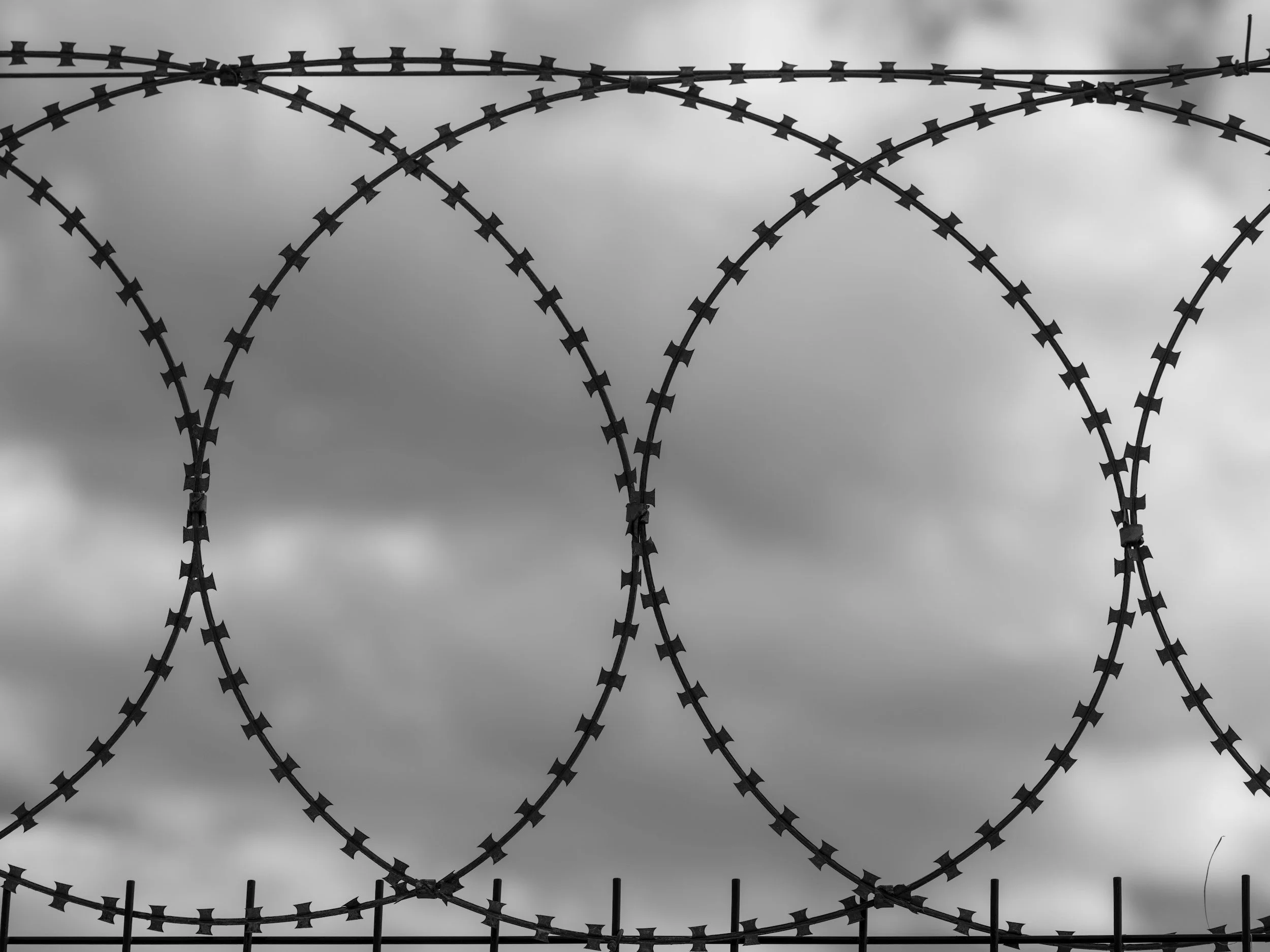
According to Paul Virilio (The Administration of Fear, Semiotext(e) series 10, MIT Press, 2012) fear is administrated by several means, chief of which is a pervasive sense of “occupation.” The fear of Nazi-occupied France, Virilio’s childhood memories, is this sense of being perpetually surveilled and locked-down. Guards on every corner, neighbors who may not be neighbors but spies, the constant pressure of being monitored and tightly controlled, the fear that a thing which wasn’t always illegal may now be illegal without you knowing it, etc.
Occupation has both spiritual and physical elements to it. There’s a “mental load”, as the kids say these days, to the Administration of Fear, as much as there is a physical load.
But Virilio was not writing, in 2012, with an eye towards Roman-occupied Judea, nor to either Vichy or Occupied France of WWII, but to modern life in the 21st century: “Something has happened with progress and its propaganda to make us constantly preoccupied with progress and perpetually occupied by it” (p.47, italics in the original). Virilio continues:
“This occupation places us under surveillance, watching us, scanning us and evaluating us, revealing us and it is increasingly present, increasingly accepted as fate, a destiny. Promoting progress means that we are always behind: on high-speed internet, on our Facebook profile, on our email inbox. There are always updates to be made; we are the objects of daily masochism and under constant tension” (ibid.).
Pressure, stress, the fatigue of contemporary life, is the result of the perpetual preoccupation which much of modern media demands. And it makes us very afraid. So much of modern life is marked by this uncanny fear which manifests, often, in the pincer movement of frustration and despair. This is a lot of what’s going on when people wonder why, having all the modern luxuries we have and all the advances in health and technology, modern people are so miserable. Fear is the answer. We have lost our way and have become very afraid. And, like a wealthy man alone in a dark wood, all of our luxuries become themselves liabilities when we have lost our pole-star, and the increase of liability increases our fear.
But to us, to Virilio’s audience in 2026, the word of the Angels breaks-in again into our world: “Fear not!”
God is our Refuge and our Strong Rock of Defense. He is our Shield and the Sun in our Days. The Word of God has come to me again saying, “Do not be afraid.” Let us hurry to obey it. There is life in those Words (Jn. 6:68).
